
How to Break a Christian Fast Safely: The Refeeding Guide
The most dangerous part of a fast is how you end it. Learn the biblical and physiological principles of breaking a fast without harming your body.
You have spent days, perhaps weeks, in the presence of God. You have denied your flesh, prayed through the hunger, and won the spiritual battle. Now, the finish line is in sight. You are ready to eat.
But beware: The fast is not over when you take your first bite. In many ways, the process of breaking a fast is more critical than the fast itself—both for your health and for the preservation of your spiritual breakthrough.
In the Bible, we see Jesus being fed by angels after his 40-day fast. We see the widow of Zarephath preparing a simple cake for Elijah. These accounts remind us that the transition from the spirit-realm of fasting back to the physical-realm of eating must be handled with care.
In this exhaustive guide, we will cover the science of Refeeding Syndrome, the biblical mandate for stewardship of the body, and a step-by-step 3-day roadmap for safely returning to a regular diet.
The Golden Rule: Slow and Steady
The primary mistake made by Christian fasters is the “Victory Meal.” You finish a 7-day fast and immediately head to a buffet to celebrate. This is dangerous.
When you fast for more than 3 days, your digestive system enters a dormant state. Your enzyme production slows, your stomach shrinks, and your electrolyte balance shifts. Flooding your system with heavy proteins, sugars, or processed fats can cause severe cramping, nausea, and in extreme cases, a life-threatening condition called Refeeding Syndrome.
Your rule of thumb: Take half the duration of the fast to fully break it. (If you fasted for 10 days, spend 5 days transitioning back to “normal” food).
Phase 1: The Awakening (Day 1)
On the first day of breaking your fast, your goal is not nutrition; it is hydration and enzyme activation.
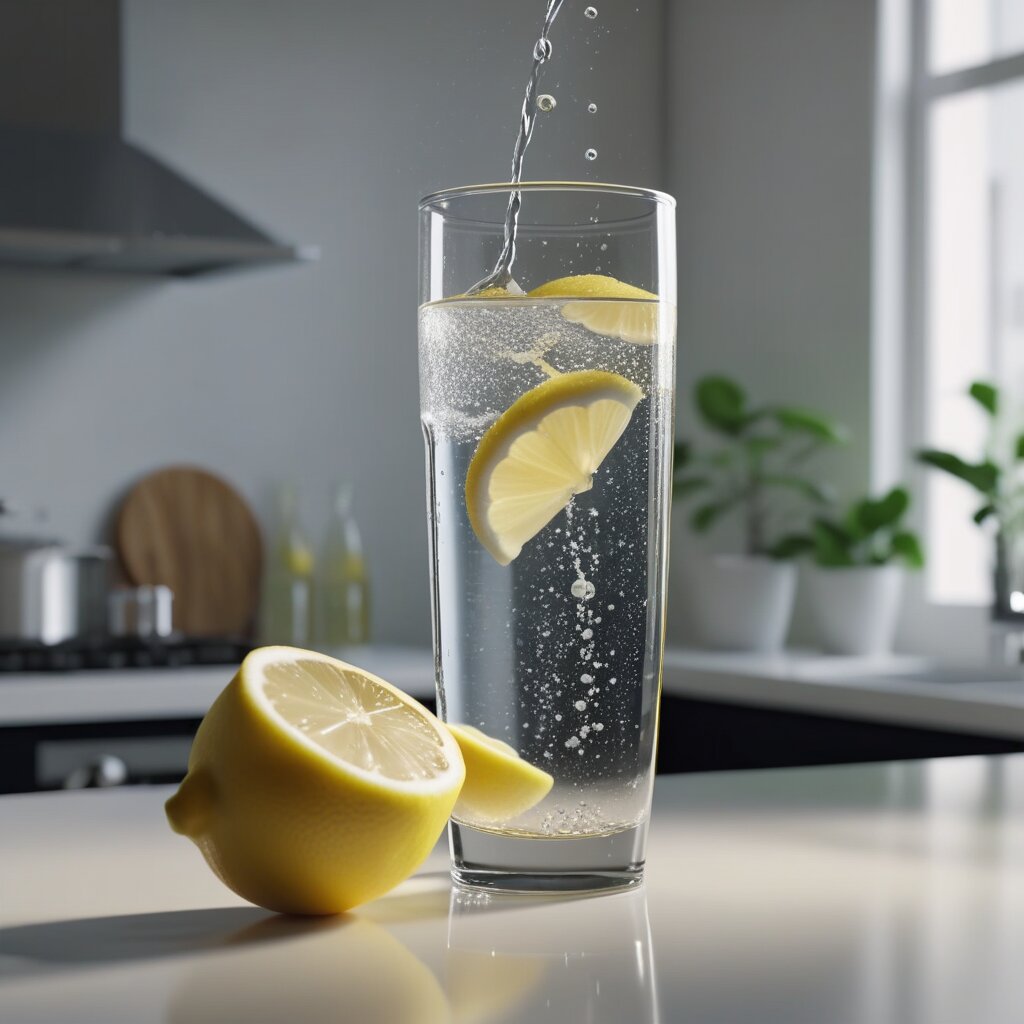
- The First Hour: Start with room-temperature water. Add a squeeze of lemon or a teaspoon of raw apple cider vinegar. This “wakes up” the stomach acid.
- The Second Hour: Diluted fruit or vegetable juice. 50% juice, 50% water. Freshly pressed is best.
- The Rest of the Day: Continue with diluted juices or a very light vegetable broth. Avoid anything with fiber (pulp) or solid chunks on Day 1 of a long fast.
Spiritual Focus: Gratitude. “Lord, I thank You for the sustenance You provide. I thank You for the discipline I have learned.”
Phase 2: The Soft Entry (Day 2)
Now that your system is moving, you can introduce soft, water-rich foods.
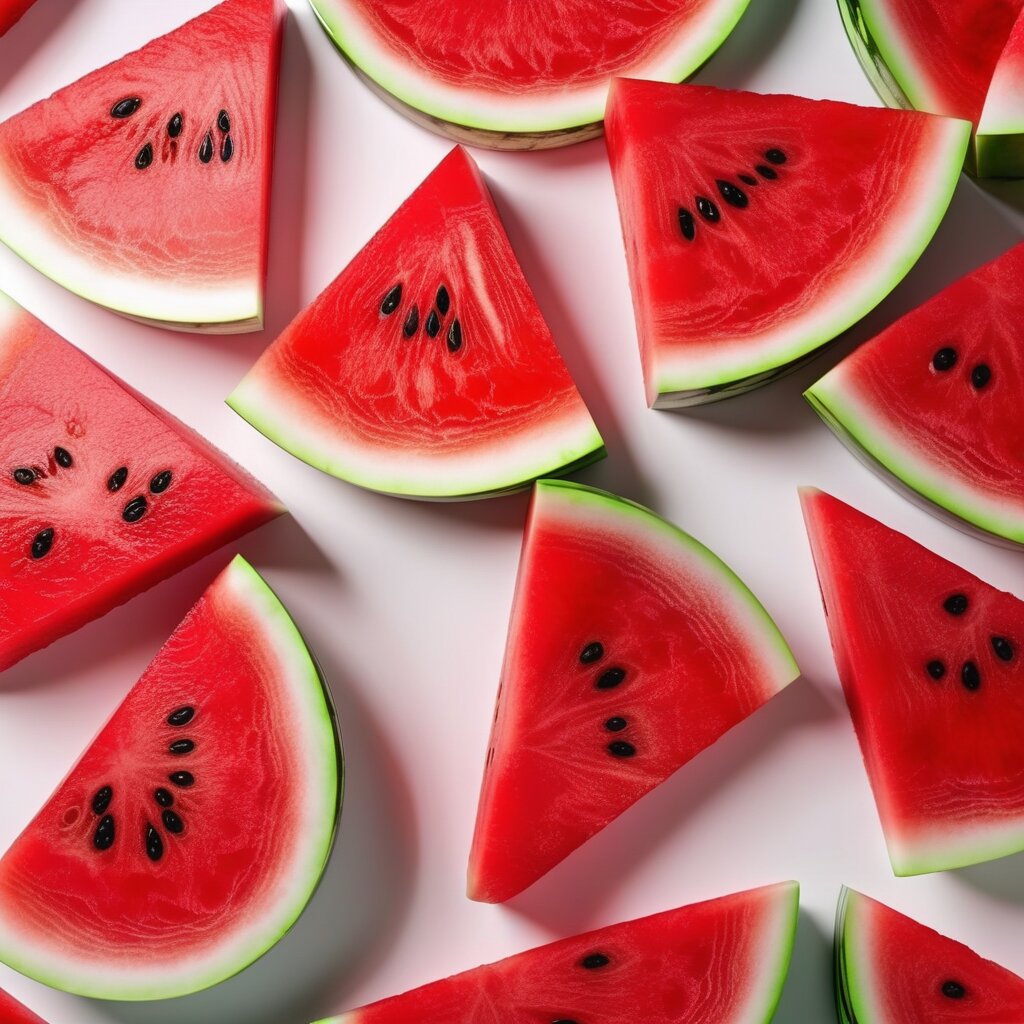
- Fruits: Watermelon, cantaloupe, or grapes. These are high in water and easy for the body to process.
- Vegetables: Steamed zucchini or squash. Avoid the “cruciferous” family (broccoli, cauliflower) for now, as they cause significant gas in a waking digestive system.
- The “Magic” Broth: Prepare a vegetable soup with carrots, celery, and potatoes, but strain out the solids or blend it into a smooth puree.
Phase 3: Reintroducing Substance (Day 3-5)
By Day 3, you can start adding more complex carbohydrates and healthy fats.
- Probiotics: This is the time for yogurt, kefir, or sauerkraut. Your gut microbiome has been depleted; you need to “reseed” it with healthy bacteria.
- Complex Carbs: A small bowl of brown rice or quinoa.
- Healthy Fats: Avocado or a few soaked almonds.
What to STILL AVOID:
- Red Meat: Extremely difficult to digest. Wait at least 5-7 days.
- Processed Sugar: Will cause a massive insulin spike and a “crash” that can lead to depression and irritability—ruining your spiritual high.
- Dairy: (Unless fermented like yogurt) can cause immediate inflammation.
Biblical Stewardship: 1 Corinthians 6:19
Why does it matter how we break a fast?
“What? know ye not that your body is the temple of the Holy Ghost which is in you, which ye have of God, and ye are not your own?”
Fasting is an act of worship, but damaging your body by breaking the fast poorly is an act of poor stewardship. If God gave you a temple, you don’t throw a grenade into it the moment the fast is over.
Ending a fast with self-control is the final test of the fast. It proves that you are in control of your appetite, not the other way around.
Practical Tips for Success
- Chew Until It’s Liquid: Digestion begins in the mouth. Even if you are just eating a slice of watermelon, chew it thoroughly to mix it with saliva.
- Small Portions: Use a saucer or a small bowl. Your brain will tell you that you are starving, but your stomach can only handle 1/4 of what it used to.
- Stay Near a Restroom: On the first day of breaking a fast, your body will likely flush out the remaining toxins. This is normal, but plan accordingly!
Sample 3-Day Refeeding Schedule (7+ Day Fast)
| Day | Morning | Afternoon | Evening |
|---|---|---|---|
| Day 1 | Water w/ Lemon | Diluted Watermelon Juice | Strained Vegetable Broth |
| Day 2 | Slice of Cantaloupe | Pureed Vegetable Soup | Small Garden Salad (No dressing) |
| Day 3 | Greek Yogurt w/ Berries | Brown Rice & Steamed Squash | Small piece of Baked Fish or Lentils |
Conclusion
Breaking a fast is a spiritual transition. It is the bridge between the “mountaintop” and the “valley.” If you cross the bridge too fast, you might fall.
As you reintroduce food, keep the conversation with God going. Let every bite be a prayer of thanks. You survived the desert; now, walk wisely into the Promised Land.
Next Step: Now that you’ve finished your fast, learn how to apply your breakthrough in our guide to Biblical Financial Breakthrough.